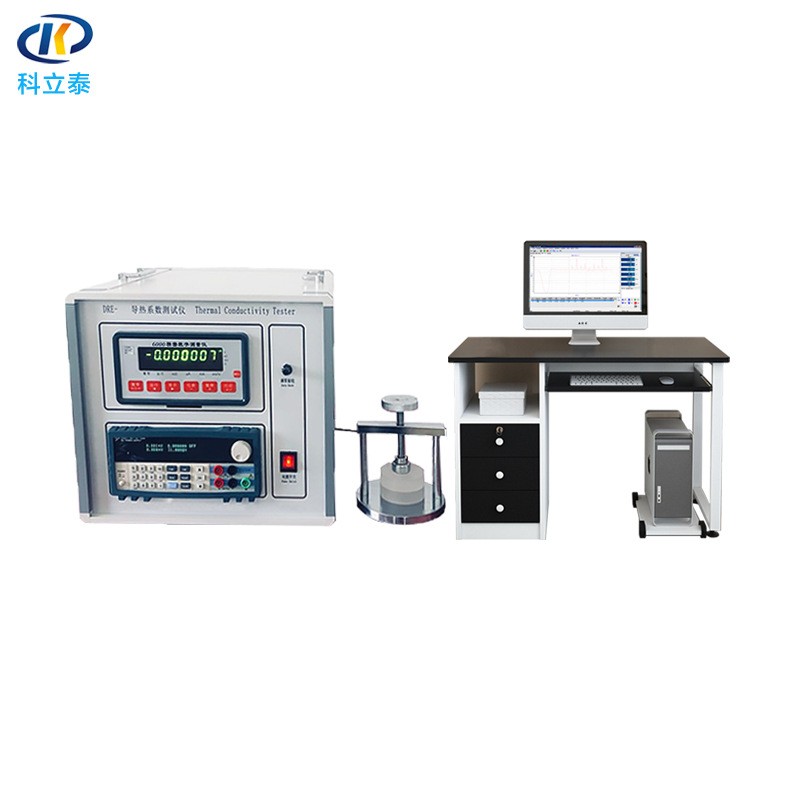
Product Introduction
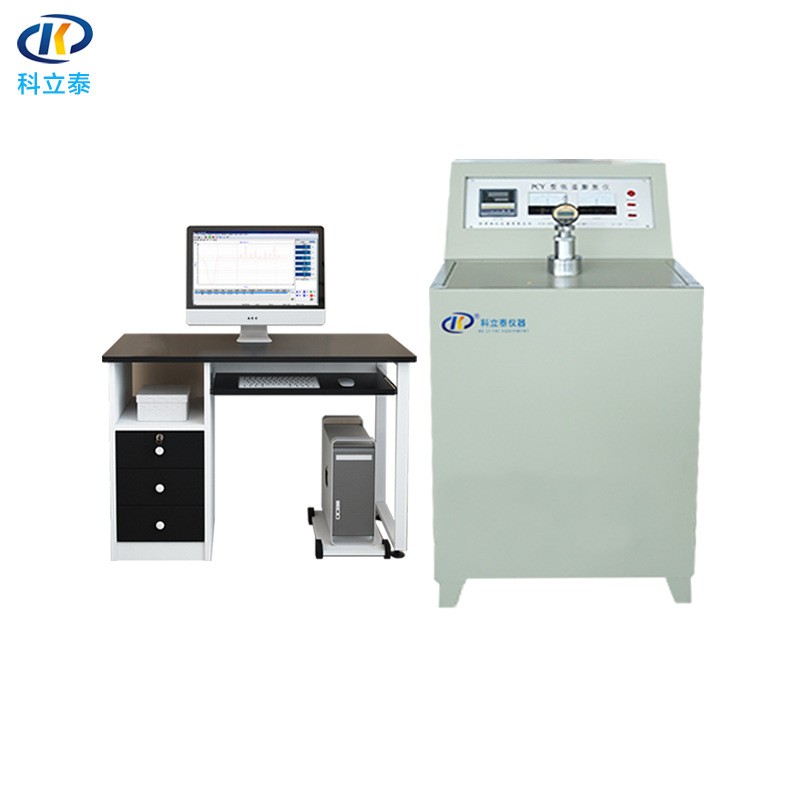
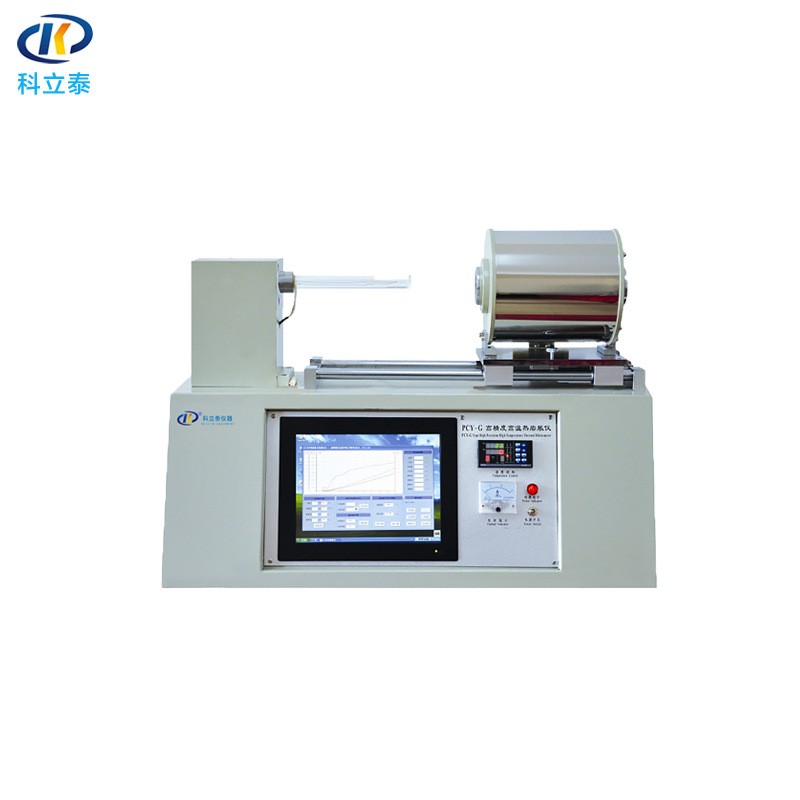
It is used to test the low‑temperature expansion properties of solid inorganic and organic materials, polymers, macromolecular materials, metallic / non‑metallic materials, rubber, plastic metal products and other solid materials.
Applicable Standards: ASTM D696‑2003, GB/T 1036‑2008 Plastics‑Determination of Linear Thermal Expansion Coefficient‑Quartz Dilatometer Method, GB/T 2572‑2005 Test Method for Mean Linear Thermal Expansion Coefficient of Fiber‑Reinforced Plastics. This instrument can measure linear dimensional change, linear expansion coefficient, volumetric expansion coefficient, thermal‑shock expansion, softening temperature and their variation curves of specimens.
Technical Parameters
- Test temperature range: ‑40‑200 ℃, ‑30‑200 ℃, 0‑200 ℃
- Heating rate is automatically set by computer program; temperature‑control accuracy: 0.1 ℃; heating / cooling rate adjustable from 1‑5 ℃/min
- The computer automatically calculates linear expansion coefficient, volumetric expansion coefficient, linear expansion value and thermal‑shock expansion.
- Automatic calculation and compensation of compensation coefficient; manual on‑line correction is available.
- Automatic data recording, storage and printing; print temperature‑expansion coefficient curve. Freely‑configurable temperature interval, minimum interval: 0.1‑1 ℃.
- Deformation measurement adopts high‑precision grating micrometric sensor. Measuring range: ±12.7 mm, resolution: 0.1 μm, accuracy: 0.2 μm, automatic range calibration.
- Specimen dimension: (2‑15)×(2‑15)×(20‑150) mm, cylindrical or square specimens are acceptable.
- Imported linear bearing transmission realizes friction‑free transmission of expansion value with excellent transmission accuracy and repeatability.
- System measurement error: ±0.1%.
- Power supply: 220V±10%, 0.5 kW.